What to Check When Choosing a Generator for Standby or Temporary Power
When the grid goes down or a job site has no mains supply, a diesel generator becomes the backbone of the operation. Whether you are planning backup power for a warehouse or temporary power for a construction project, picking the right machine means matching its capabilities to the real-world demands of the equipment and the environment. There is no single perfect generator for every situation, so a methodical approach helps avoid costly mistakes.
The checklist below covers the main points to examine before you commit to a purchase or rental. Each item addresses a factor that affects performance, reliability, or safety. Working through them in order will give you a clear picture of what the machine can and cannot do in your specific application.
Rated Output and Continuous Load
The first number to look at is the rated output, usually expressed in kilowatts (kW) or kilovolt-amperes (kVA). This is the amount of power the generator can supply continuously under normal operating conditions. A common mistake is to add up the nameplate ratings of all the equipment that might run at the same time and assume that total is the required generator size. In practice, motors and compressors draw more current during startup, and some loads are intermittent. You need to know the steady-state load and the peak load, then choose a generator whose rated output comfortably covers the steady load while its overload capacity handles the peaks.
For standby power in a facility, the rated output should match the essential circuits you plan to keep alive. For temporary power on a job site, consider the largest single motor that will start, because that starting surge can exceed the generator's capacity if the machine is sized too tightly. A good rule of thumb is to allow at least 20% headroom above the calculated continuous load to avoid running the generator at full capacity for long periods, which shortens engine life and increases maintenance intervals.
Starting Current and Motor Loads
Electric motors, such as those in pumps, compressors, and conveyors, draw a high inrush current when they start. This starting current can be three to seven times the running current, depending on the motor type and the load it drives. A generator that can handle the running load may still trip its breaker or stall when a large motor kicks in. The generator's ability to supply this surge is determined by its alternator design and the engine's torque characteristics.
When evaluating a generator, check the kVA rating and the alternator's capability to deliver short-term overload current. Some generator specifications list a "starting kVA" or "motor starting capability" that gives a clearer picture. If you are powering multiple motors, stagger their startup if possible, or consider a generator with a larger alternator. For critical applications, a load bank test at the supplier's yard can confirm that the machine handles the expected starting current without voltage dips that could damage sensitive electronics.
Fuel Consumption and Runtime
Fuel consumption directly affects operating cost and logistics. Diesel generators are generally more fuel-efficient than gasoline units at higher loads, but consumption varies with engine design, load factor, and ambient temperature. The manufacturer's data sheet usually gives fuel consumption at full load and at half load. Real-world consumption often falls between those figures, so you can estimate runtime by dividing your tank capacity by the expected consumption rate.
For standby power, you need to know how long the generator can run on a full tank, especially if refueling is difficult during an extended outage. A larger fuel tank or an external fuel supply system extends runtime but adds weight and cost. For temporary power on a job site, consider the daily fuel consumption and plan for refueling intervals that fit your work schedule. A generator that runs for eight hours on a tank may require a midday refill, which can interrupt operations if not planned. Some models offer dual-fuel capability or an electronic governor that adjusts engine speed to load, reducing fuel consumption during light-load periods.
Transfer Switch and Power Distribution
For standby power, the generator must connect to the building's electrical system through a transfer switch. This switch isolates the generator from the grid when it is running and prevents backfeeding, which is dangerous for utility workers and can damage the generator. The transfer switch must be rated for the full capacity of the generator and the load it serves. Automatic transfer switches are common for permanent standby installations, while manual switches may be acceptable for temporary setups or smaller loads.
For temporary power on a job site, the generator typically feeds a distribution panel or a series of receptacles. The distribution system must match the generator's voltage, phase, and current rating. Single-phase generators are common for smaller loads, while three-phase units are needed for larger equipment or balanced loads. Check that the generator's output receptacle matches your distribution cables and connectors. Adapters exist but introduce points of failure and potential safety hazards. A well-planned power distribution layout reduces voltage drop and prevents overloading individual circuits.
Environmental Conditions and Site Factors
Generators operate in a wide range of environments, from indoor enclosures to open fields in extreme weather. The generator's enclosure rating, cooling system, and exhaust routing must suit the location. For indoor use, the generator must be installed with proper ventilation to prevent exhaust buildup and overheating. For outdoor use, consider rain, dust, and temperature extremes. A generator with a weatherproof enclosure and a cold-start kit is better suited for exposed sites.
Noise is another factor. Diesel generators are louder than gas units, and local noise ordinances may restrict operating hours or require sound-attenuated enclosures. For residential areas or night work, a soundproofed enclosure or a generator with a muffler system may be necessary. Also consider the ground surface: a generator on soft ground may sink or tip, so a concrete pad or a heavy-duty trailer is often required for stability.
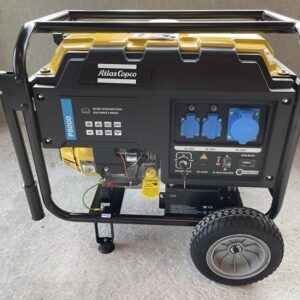
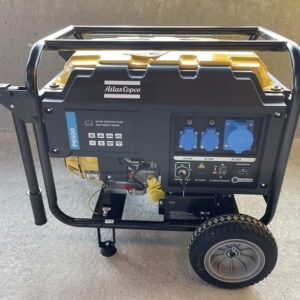
At ePowerhouse LLC, the focus is on providing industrial equipment that meets real-world demands, and the same applies to generator selection. The marketplace carries a range of generators from compact portable units to large skid-mounted systems, but the buyer must still verify the machine's specifications against the site's specific load profile and environmental conditions. A generator that looks good on paper may prove inadequate if the starting current is too high or the fuel consumption exceeds the available refueling schedule.
Maintenance and Support
Even the best diesel generator requires regular maintenance. Check the manufacturer's service intervals for oil changes, fuel filter replacement, and air cleaner cleaning. For standby generators that run only during outages, consider a weekly exercise cycle to keep the engine lubricated and the battery charged. For temporary power on a job site, daily inspections of fluid levels, belt tension, and coolant condition are good practice. The availability of spare parts and service technicians in your area should influence your choice. A generator from a brand with a local dealer network is easier to maintain than one that requires shipping parts from overseas.
Documentation matters. Keep the operator's manual, wiring diagrams, and a log of runtime hours and maintenance performed. This record helps when troubleshooting and when selling or trading the generator later. For rental units, the rental agreement should specify who is responsible for routine maintenance and what happens if the generator fails during use.
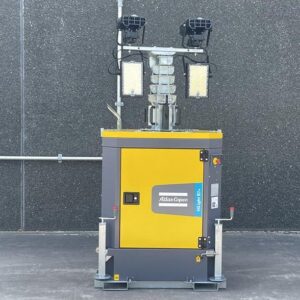
When sourcing a generator, ePowerhouse LLC offers a marketplace where buyers can compare models from multiple manufacturers, but the final decision depends on matching the machine to the job. The checklist above provides a framework for that evaluation. By verifying rated output, starting current, fuel consumption, transfer switch compatibility, site conditions, and maintenance requirements, you reduce the risk of downtime and unexpected costs.
A diesel generator is a long-term investment in reliability. Taking the time to work through these points before purchasing or renting ensures that the machine will perform when it is needed most. The goal is not to find the cheapest or the most powerful generator, but the one that fits your specific load profile, operating environment, and support needs.
Ends · THEEQUIPMENTLEDGER